
search
Forecast true implementation costs, cut hidden tech expenses, and build a high-ROI financial roadmap for enterprise artificial intelligence.
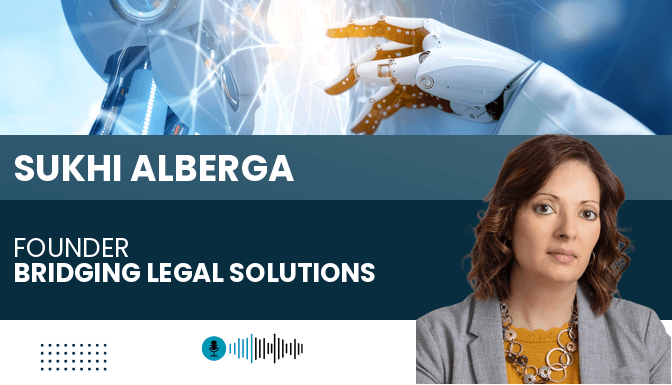
AI is rapidly changing client expectations, legal workflows, and the economics of legal practice—but the question is no longer simply whether law firms should adopt AI. As tech-savvy startups and general counsel increasingly expect lawyers to use AI effectively, firms must consider how to adopt it responsibly while protecting quality, professional judgment, and client value.
This practical session examines the real-world challenges facing firms that are already implementing AI, from measuring ROI and reconsidering the billable hour to managing AI-generated contracts and maintaining the value of professional legal advice. Participants will explore how lawyers can respond to increasingly sophisticated clients, balance efficiency with quality and enforceability, and demonstrate the value of legal expertise beyond what publicly available AI tools can produce. The session also considers what widespread AI adoption may mean for the future of the legal profession.
Key Topics Discussed:

Founder | Bridging Legal Solutions
Sukhi Dhillon Alberga works at the intersection of legal practice, regulation, and technology adoption, approaching AI in law from three vantage points few practitioners hold at once: regulator, builder, and advisor. She is the founder of Bridging Legal Solutions, a multidisciplinary law firm, and co-founder of BLS Consulting, an advisory firm working with mid-sized and large organizations, law firms, and corporate legal teams on legal operations, governance, risk, and the disciplined integration of AI into professional workflows. On the regulatory side, Sukhi is the Canadian Bar Association-appointed Chair of the CBA’s Legal Futures Subcommittee and an appointed member of the New Brunswick AI Task Force. She was elected to the Council of the Law Society of New Brunswick, serves on that Law Society’s Human Resource Committee, and is an evaluator for its Bar Admission Program. She also chairs the Atlantic Roundtable, a CPD program she launched with the CBA’s New Brunswick Branch, where sessions with chief justices, academics, and leading experts have addressed court modernization, technological competency for the bar and judiciary, and cybersecurity disaster recovery. As a builder, Sukhi is the creator and founder of Counselurdocs, a contract drafting platform approved as the third participant in the Law Society of Ontario’s Access to Innovation (A2I) sandbox — a process that required working through the professional responsibility questions legal AI raises rather than around them. Sukhi holds an Honours Bachelor’s Degree from the University of Toronto and a Juris Doctor from Bond University, along with the Osgoode Certificate in Health Law from Osgoode Hall Law School, York University. She is called to the bar in Ontario and New Brunswick. Her focus is on helping legal teams adopt new technology in ways that hold up to professional scrutiny.