LF logo
by learnformula
search
LearnFormula BusinessLog in
search
Courses/Business, Commercial & Financial Law/Insurance & Workers' Compensation

Psychological Injury Claims in Workers’ Compensation: Compensability, Evidence and Legal Risk

Master psychiatric compensability, evaluate complex medical evidence, and mitigate high-stakes liability in modern workers’ compensation claims.
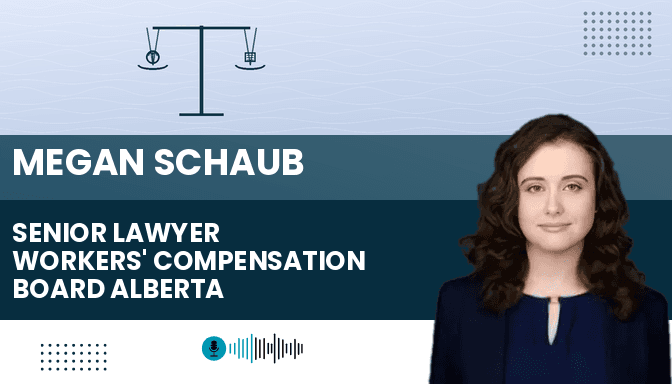
Created byMegan Schaub
BeginnerUpdated Sep 8, 2026
Psychological Injury Claims in Workers’ Compensation: Compensability, Evidence and Legal Risk

What You'll Learn

check_circleAssess the legal requirements for establishing compensable psychological injury claims in Alberta
check_circleEvaluate causation issues and evidentiary challenges commonly encountered in mental injury matters
check_circleUnderstand how workplace events, management actions, and pre-existing conditions are considered in claim assessments
check_circleIdentify emerging legal trends affecting psychological injury claims and workplace liability
check_circleApply practical strategies for managing legal, compensation, and workplace risks associated with mental injury claims in Alberta

About This Course

Psychological injury claims have become one of the most complex and rapidly evolving areas of workplace law and workers’ compensation. As awareness of mental health issues continues to grow, employers, insurers, legal practitioners, and workers’ compensation boards are increasingly required to assess claims involving workplace stress, harassment, traumatic events, interpersonal conflict, and psychological disorders arising from employment. These claims often present unique challenges that differ significantly from traditional physical injury cases.

Determining whether a psychological injury is compensable frequently requires careful consideration of causation, medical evidence, workplace circumstances, and statutory eligibility requirements. Questions often arise regarding the extent to which workplace events contributed to an injury, how pre-existing conditions should be considered, and what evidence is required to establish a compensable claim. At the same time, employers must navigate growing legal and reputational risks associated with workplace mental health issues while balancing operational and management responsibilities.

This session examines the legal principles and practical challenges involved in psychological injury claims through the lens of the Alberta workers’ compensation framework. Participants will explore how psychological claims are assessed, the evidentiary issues that commonly arise, and the legal developments shaping this evolving area of practice. The course provides practical guidance for understanding compensability, managing risk, and navigating the intersection of workplace conduct, mental health, and compensation law.

Key Topics Discussed:

  • The Alberta legal framework governing psychological injury claims
  • Compensability requirements and statutory thresholds in Alberta
  • Establishing causation in mental injury claims
  • Medical evidence and expert opinion considerations
  • Workplace stress, harassment, bullying, and traumatic events
  • Psychological injuries arising from management actions
  • Pre-existing conditions and competing causal factors
  • Investigating and assessing workplace psychological injury claims
  • Emerging case law and legal developments in Alberta
  • Employer obligations and risk management considerations
  • Return-to-work and accommodation issues
  • Lessons from recent psychological injury disputes and decisions in Alberta

Your Instructor

Megan Schaub
Megan Schaub

Senior Lawyer | Workers’ Compensation Board Alberta

menu_book1 courses

Megan Schaub is a senior lawyer at the Workers’ Compensation Board Alberta. Megan is an experienced litigator and has represented clients before all levels of court in Alberta. She also frequently represents the Workers’ Compensation Board Alberta before administrative tribunals, including the Appeals Commission for Alberta Workers’ Compensation. She holds a BA with distinction, and a JD with distinction, both from the University of Alberta, and has presented on matters pertaining to workers’ compensation for the Canadian Bar Association and the Alberta Civil Trial Lawyers Association.

Credit Information

What Students Are Saying

0.0
Student's Choice
0 reviews

Frequently Asked Questions

We are a registered provider with 327+ associations and regulatory bodies worldwide. We operate across 29 global markets including Canada, the US, Australia, and the UK. Every course page clearly displays its specific accreditations. Upon completion, you receive a professional certificate that can be validated online. Our certificates include all necessary accreditation details, credit hours, and completion dates, and are formatted specifically to meet the submission requirements of most global regulatory bodies.

You May Also Like

Law: Alternative Dispute Resolution

ADR: Negotiation, Mediation & Arbitration

star4.9(16)
1.5 CPD hrs
Law: Technology Training

AI in Your Law Firm: What Works, What Doesn’t, and Why

star5.0(30)
1 CPD hr
Law: Equity, Diversity, Inclusion, and Bias

How to Support Your Neurodivergent Colleagues

star4.9(57)
1 CPD hr