
search
Master the medical science behind invisible brain injuries to effectively establish causation, challenge defense experts, and prove permanent impairment.
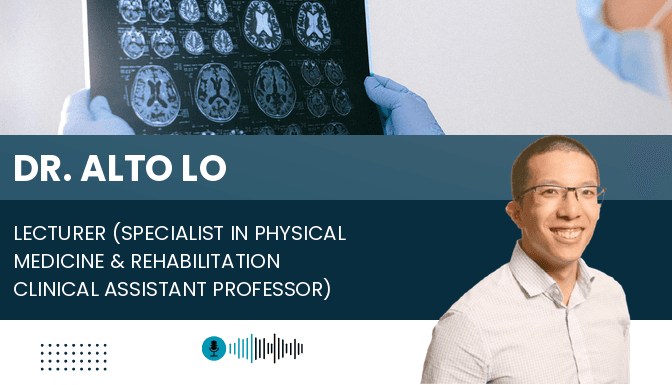
Mild traumatic brain injury (mTBI) remains one of the most contested and complex injuries encountered in personal injury, disability, insurance, and occupational claims. Unlike many physical injuries, mTBI often presents with symptoms that are difficult to measure objectively, may overlap with psychological conditions, and can evolve over time. As a result, legal professionals must navigate conflicting medical opinions, disputed causation, and complex questions surrounding impairment, prognosis, and future loss.
This course examines mTBI from a medico-legal perspective, focusing on the issues most relevant to litigation and claims management. Participants will explore contemporary diagnostic criteria, expert evidence, neuropsychological and rehabilitation assessments, and the practical challenges of proving causation and impairment. Designed for lawyers rather than clinicians, the session provides practical guidance on interpreting medical evidence, assessing expert reports, and developing effective litigation strategies.
Key Topics Discussed:
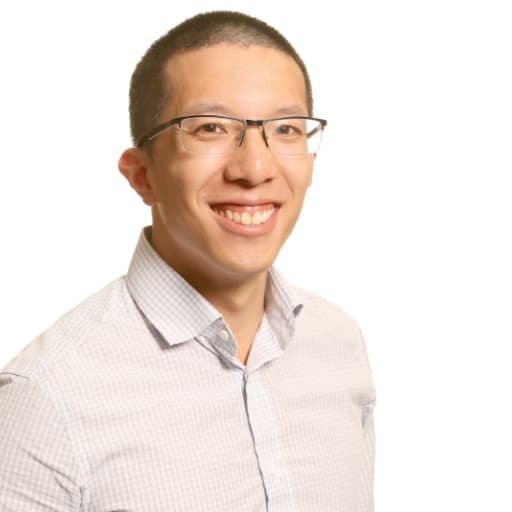
Specialist in Physical Medicine & Rehabilitation | Clinical Assistant Professor
Dr. Alto Lo is an actively practicing specialist in Physical Medicine and Rehabilitation in Edmonton, Alberta. He is also a Clinical Assistant Professor affiliated with the University of Alberta, Department of Medicine, Division of Physical Medicine and Rehabilitation. In his regular practice, he sees a variety of patients in different clinics. His primary area of work is in the inpatient neurorehabilitation unit at the Glenrose Rehabilitation Hospital, mainly seeing patients with stroke. He also sees patients with traumatic brain injury, multiple sclerosis and spinal cord injury in an interdisciplinary spasticity clinic at the Glenrose Rehabilitation Hospital. He also practices in an interdisciplinary peripheral nerve injury clinic at the Glenrose Rehabilitation Hospital. Outside of the hospital, he practices at a community clinic and performs electrodiagnostic testing and musculoskeletal assessments. Outside of clinical practice, Dr. Lo is extensively involved in the Canadian Society of Clinical Neurophysiologists as an examiner for the licensing examination for peripheral nerve electrodiagnostic testing. He was previously involved with the Royal College of Physicians and Surgeons of Canada as reviewer for the licensing examination. He has also served a term as president for the Alberta Physiatry Association, the main association representing physical medicine and rehabilitation specialists in Alberta. In the medico-legal context, Dr. Lo has performed musculoskeletal assessments on patients presenting with soft tisuse injuries; cognitive examinations on patients with traumatic brain injuries; as well as balance assessments on patients with vestibular disorders. He has performed assessments on behalf of both plaintiff and defense counsels. He has also testified on behalf on both plaintiff and defense counsels.